
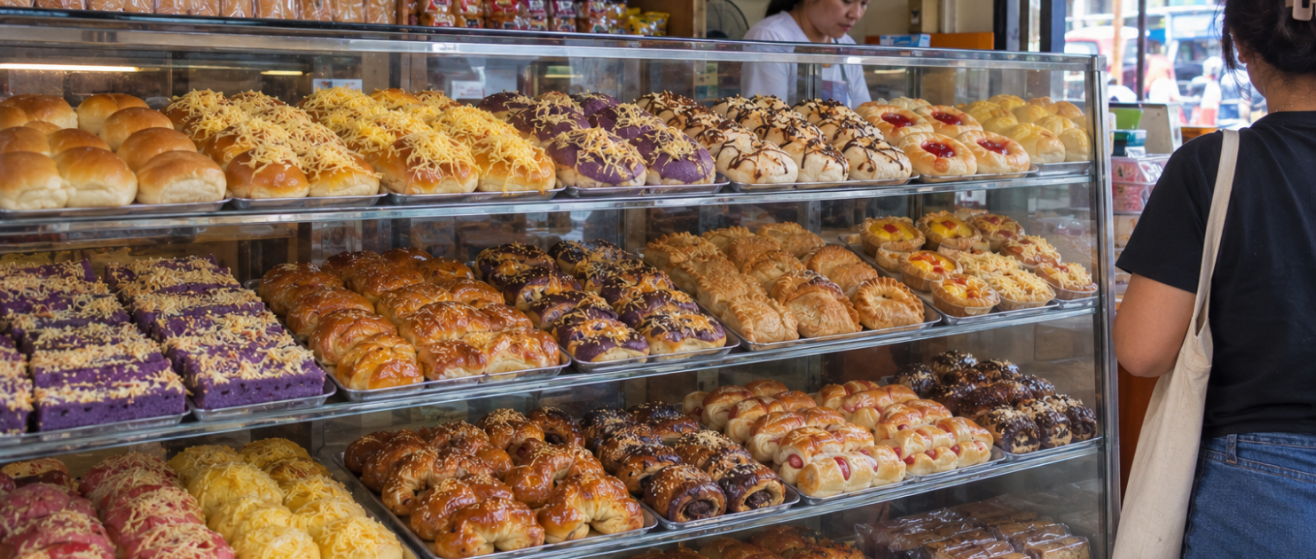
World Bread Day: Remembering The Filipino Panaderia
Before artisan sourdough and trendy pastries filled the bakery displays we often see today, there were (and still are) the neighborhood panaderías where a few pesos could get you baked merienda and a taste of nostalgia. PFMC shares a selection of these breads central to the Filipino memory across the country, specifically creations that one doesn’t usually find in today’s grocery aisles, and are usually just found in our local panaderias. These treats highlight a distinctive, old-school Filipino quality that can often be a great reason for customers to look forward to visiting bakeries.
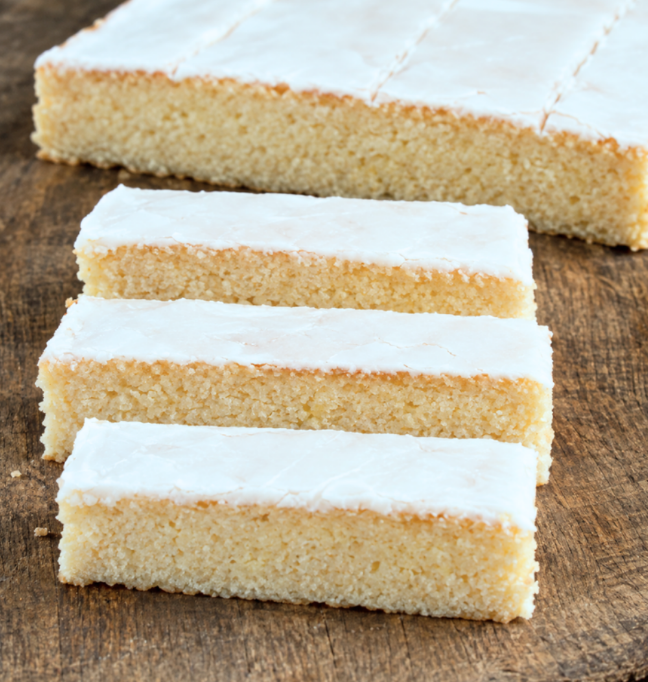
Lakas or Sweetheart Bread
This is a common sweet bread found in many small bakeshops. This treat is cut in bars, with a unique texture often a mix between cake and bread, and usually offered in a vanilla flavor topped with a white icing. This is a nostalgic Filipino creation that’s mostly found in small bakeries, often enjoyed as a sweet snack or treat with coffee.
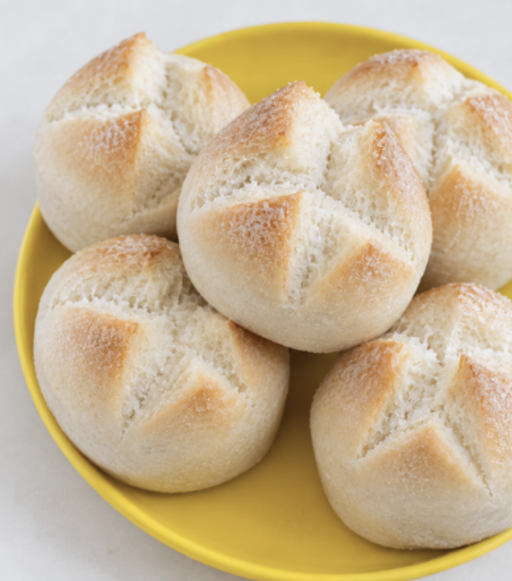
Putok Bread
This bakeshop classic is a sturdy, dense bread roll that is often enjoyed with coffee for its unique texture and sweet flavor. Its distinctive look and texture makes it instantly recognizable to those who grew up with them—and intriguing to customers discovering them for the first time. It’s a staple for every Filipino bakery, for customers looking for that quick bready treat to enjoy with a drink.
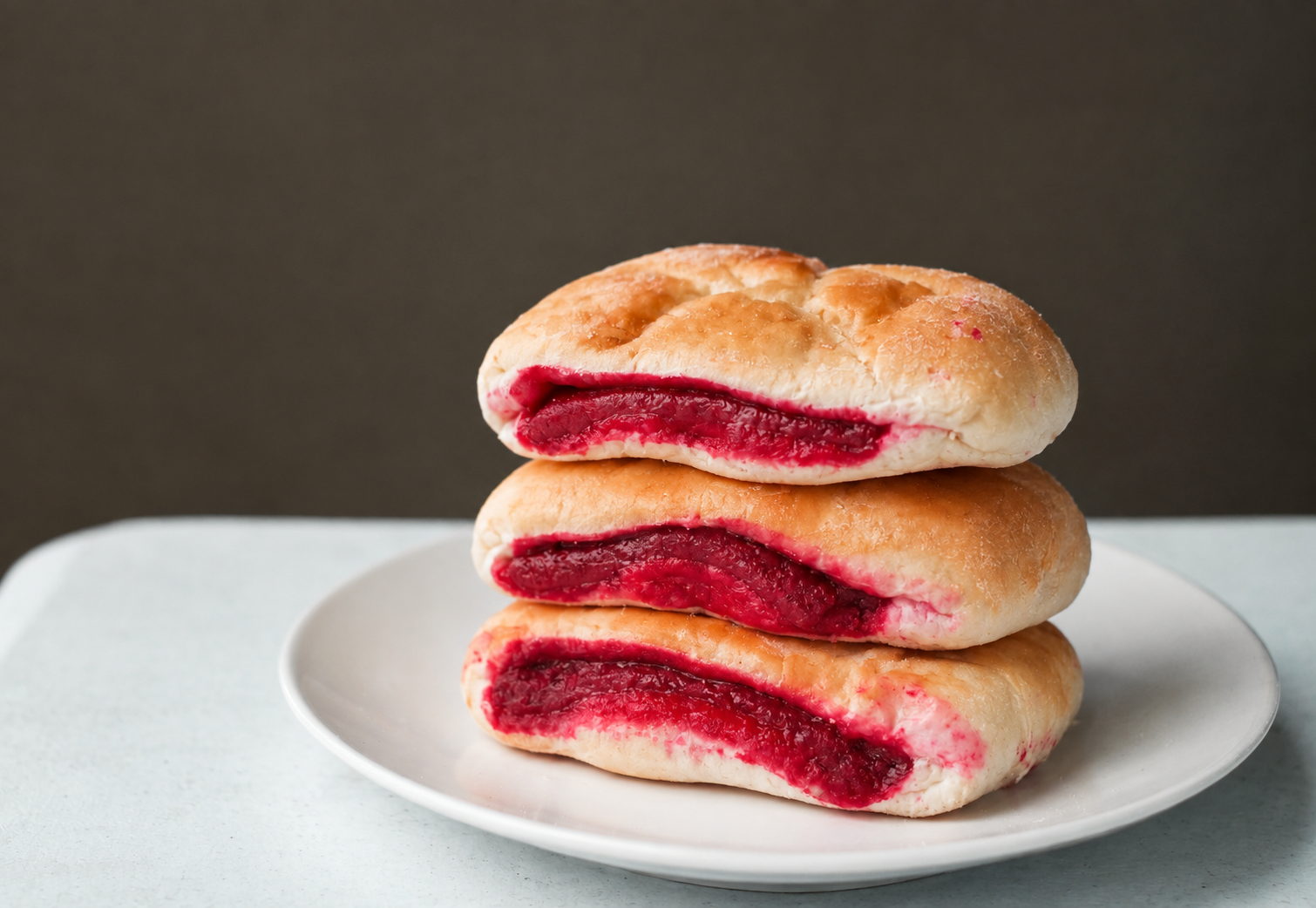
Kalihim
This panaderia bread is a soft bread roll with a sweet, starchy, jam-like filling often red or purple in color. Its vibrant color combination makes it one of those bakery finds that instantly sparks curiosity. Its bright red or purple makes it stand out in a display case, while its familiar flavor brings back memories for generations of Filipino customers. For bakeries, it’s a fun nostalgia product that younger customers may be excited to discover.
Binangkal
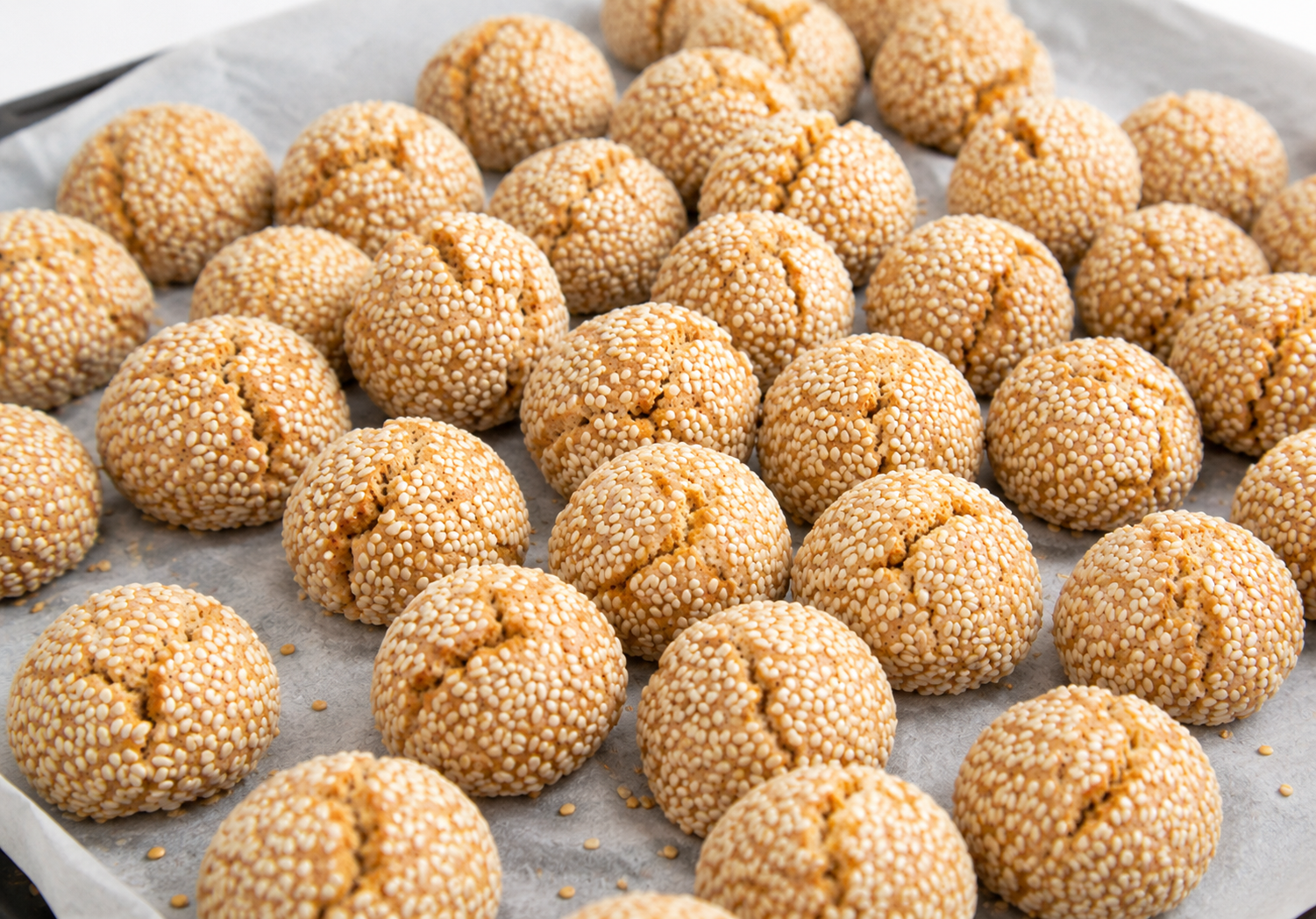
These small cookie-like bite sized breads are balls of dense dough fried and coated in sesame seeds, infused with delicious sesame flavor, making it a merienda favorite especially in the Visayas and Mindanao regions. It’s ideal for grab-and-go displays, coffee pairings, and sharing. Bakeries can also experiment with different sizes or flavor variations while keeping the classic toasted sesame-coated character.
Bread Pudding
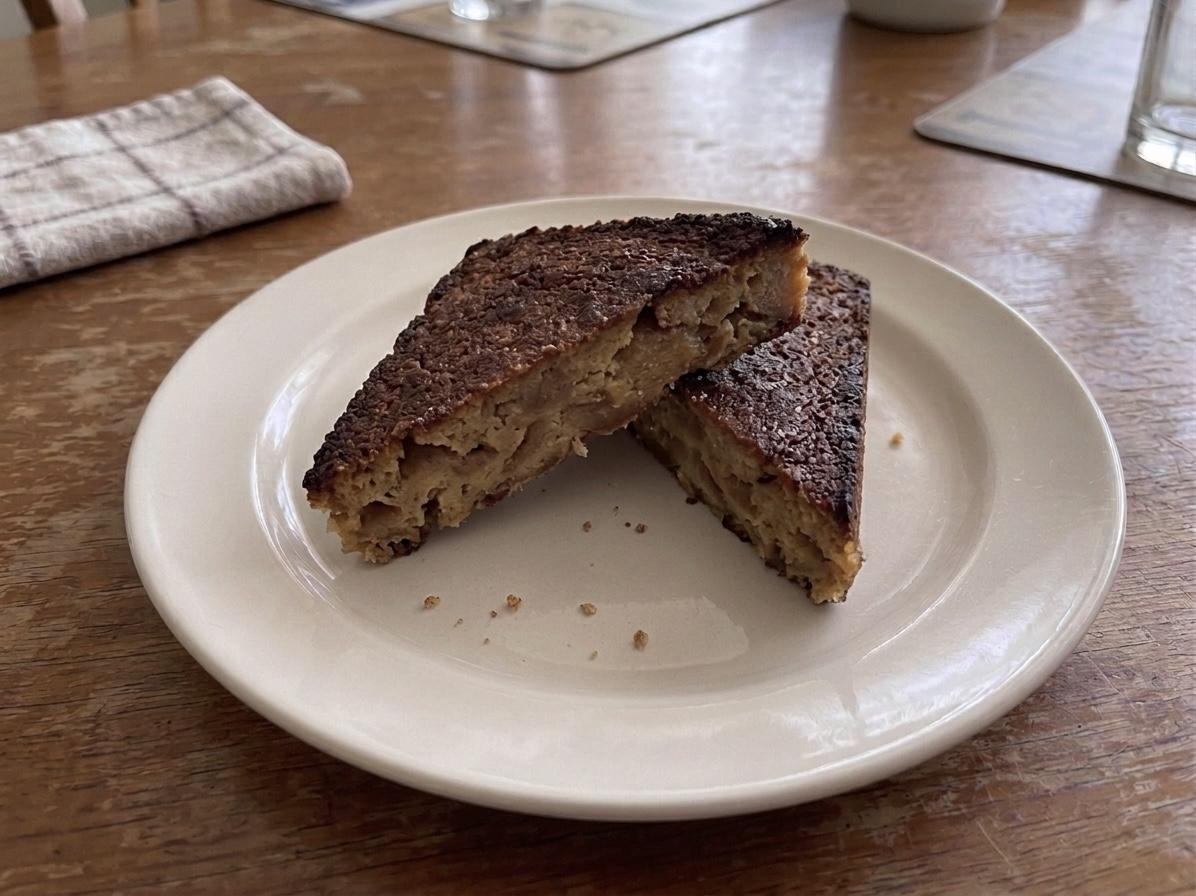
This captures the resourcefulness of Filipino baking, where this creation is made using an assortment of surplus breads, mixed with eggs, vanilla, and milk, to produce a soft, sweet, and comforting pudding bread, sliced into bars or triangles. Bakeries transform sound, properly stored production surplus of bread into something customers will happily order on purpose. It’s a clever way to turn surplus bread into another delicious product while adding variety to the dessert selection.
Bringing the Panadería Back
Today’s customers may love the latest baked creations, but there’s something special about discovering a bread they remember—or one they’ve never seen before. For Filipino bakeries, bringing back panadería classics can mean offering something supermarkets often can’t: personality, nostalgia, and stories. Filipino bread calls for fresh dough bases that often call for a strong hard wheat flour formulated for consistent performance in breads and buns for everyday baking.
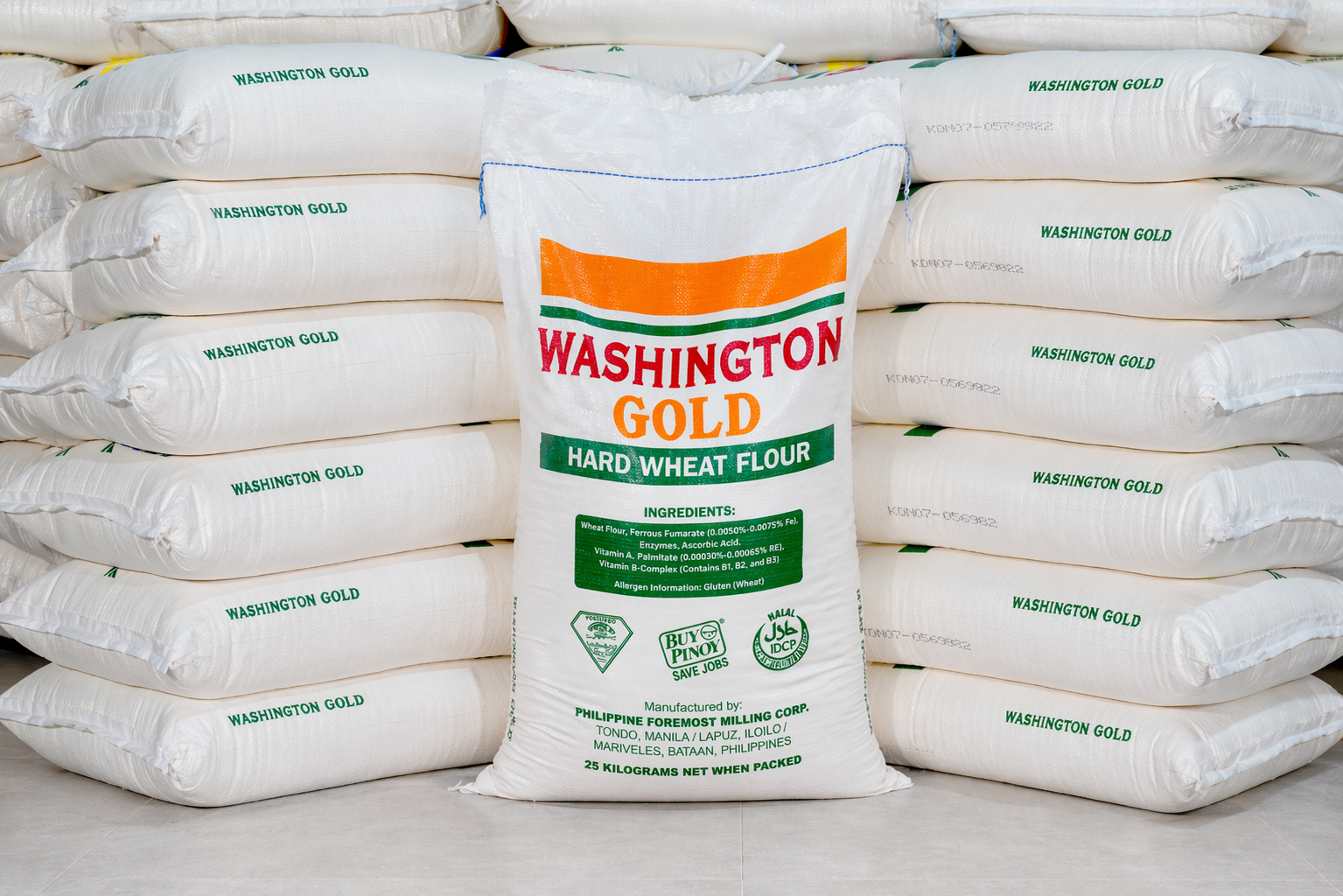
PFMC offers this through our Washington Gold flour, giving dough stability, elasticity, and water absorption. This is ideal in breads like pandesal, loaf bread, sandwich rolls, and other yeast-raised products found in a lot of panaderia menus. And with the right flour, right partner, and a consistent supply and relationship, traditional recipes can continue to evolve while staying true to the breads that made Filipino bakeries special in the first place. This World Bread Day, PFMC celebrates the bakers keeping these beloved classics alive.
