
Making a Signature Pan de Coco That Fits Your Business Identity
For baking establishments looking to stand out in a competitive bread market, Pan de Coco can come in not only as a familiar Filipino favorite for customers, but also a canvas to add identity to your baked goods. From the filling and dough to the proportions you use, every detail plays a role in creating the customer experience your business wants to deliver.
Read more as PFMC shares practical tips on how your Pan de Coco can stand out and step up amidst today’s pastry competition.
Define your signature flavor
Should you stick with the classic coconut filling, or be bold by adding hints of vanilla and a touch more sweetness? The right combination can help your Pan de Coco stand out and create a memorable experience for your customers.
Some recipes also enrich their filling with higher fat content, creating a more indulgent, melt in your mouth experience, while others may keep it lighter to emphasize chewiness and freshness. Each variation creates a distinct product identity that customers begin to recognize and come back for.
Choose the right bread
The bread is the vehicle to carry out your coconut filling. With the dough, flour becomes a strategy. Different flours and formulations influence whether Pan de Coco turns out airy, fluffy, or slightly chewy. A stronger flour blend can support richer fillings without collapsing, while softer flour blends may yield a more tender crumb.
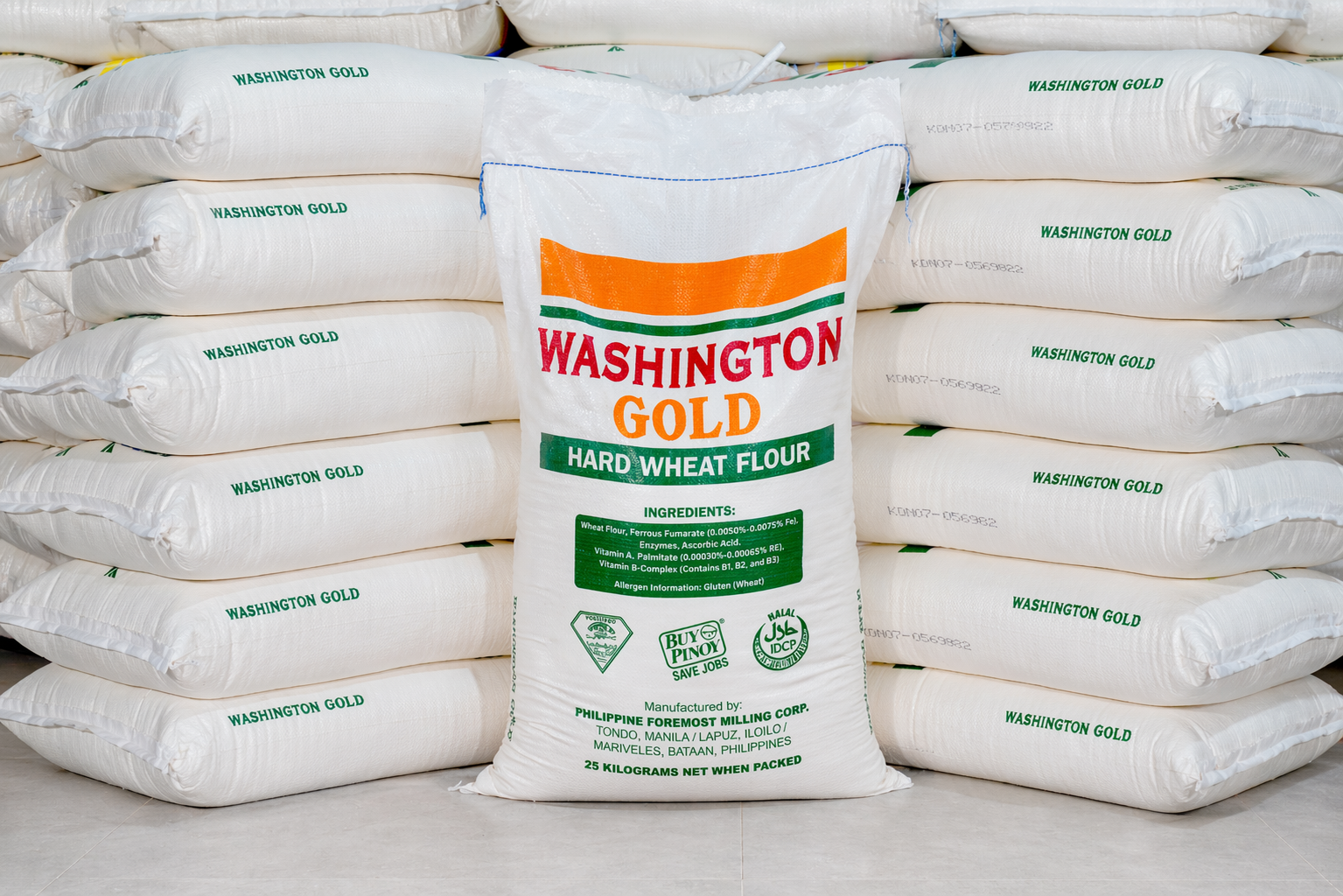
At PFMC, we use Washington Gold for our Pan de Coco recipe, a strong hard wheat flour formulated for consistent performance in premium breads and buns. It offers excellent dough stability, elasticity, and water absorption. This is also ideal in breads like pandesal, loaf bread, sandwich rolls, and other yeast-raised products.
The bake also plays a role, where a toasted exterior can introduce nutty, caramelized notes and an appealing golden visual that signals warmth and freshness. Others may prefer a softer, paler finish that allows the bread to be refreshed or lightly toasted before serving. Each baking direction creates a different sensory experience and a different strategy for your business and its consumers.
Find the Balance
The final step is to find balance. The ratio of bread to filling determines whether the product feels indulgent, light, or structured. A more filling-forward version highlights richness and sweetness, while a bread-forward version emphasizes texture, wheat flavors, and ability to drip in drinks like coffee.
A truly distinctive Pan de Coco is not just about following a recipe, it is about making intentional choices that reflect a bakery’s brand, from flavor to texture to structure. With the right foundation, even a familiar bread can become a signature offering that customers remember and seek out.
Want to know how to best tread your Pan de Coco making experience with PFMC flours? Start with a friendly approach through our Washington Hard Wheat Flour. Connect with us to discover our recipe and learn more!
